
15 Basic Repairs Every Woman Should Know to Save Money
We may earn a commission through all links on this website. As an Amazon Associate, we earn from qualifying purchases.
As women, we’re often the ones who manage the household, care for our loved ones, and keep our families running smoothly. But despite being the ultimate multi-taskers, many of us are often at a loss when it comes to tackling the basics of home maintenance and repair. Whether it’s a leaky faucet, a wobbly table leg, or a burnt-out light bulb, these small issues can quickly snowball into major headaches and expenses if left unaddressed.
But fear not, dear readers! With a few simple skills and some basic know-how, you can save yourself time, money, and stress by learning how to tackle these everyday repairs yourself. In this article, we’ll cover the essential DIY skills every woman should know to keep her home running like a well-oiled machine, and her wallet happy and healthy.

Changing a Tire
Knowing how to change a tire is essential for anyone who drives. Start by ensuring you have a spare tire, a jack, and a lug wrench. Loosen the lug nuts before lifting the car with the jack; then fully remove the flat tire and replace it with the spare. Tighten the lug nuts in a star pattern to secure the spare firmly. Practice in your driveway to build confidence, so you’re prepared in case of an emergency.

Rpeconu 15" Tire Spoons Kit, Tire Changing Tool for Motorcycles, Dirt Bikes, Lawn Mowers and More, 29PCS Tire Removal Tool Set, with Tire Spoon, Rim Protector, Valve Tool, Valve Cover and Valve Core
Check Price on AmazonFixing a Leaky Faucet
A leaky faucet can waste a significant amount of water and cost money on your bill. To fix it, first, turn off the water supply and drain the faucet. Use a wrench to remove the faucet handle to access the cartridge. Inspect and replace worn washers or O-rings, which are often the culprits behind leaks. Reassemble the faucet and turn the water back on. This repair is usually straightforward and can be done without calling a plumber.

Fixing Leaky Faucets and Dripping Tap Outlets: Step-by-Step Washer and O-Ring Replacement Guide
Check Price on AmazonPatching a Wall
Patching up walls is a simple repair that can keep your living space looking neat. Start by cleaning the area and removing any loose paint. Use a spackling compound to fill in small holes or cracks with a putty knife. For larger holes, consider inserting a mesh patch first. Once it’s dry, sand the area smooth, and paint over it for a seamless finish. This is a great way to maintain your home without spending on professional help.
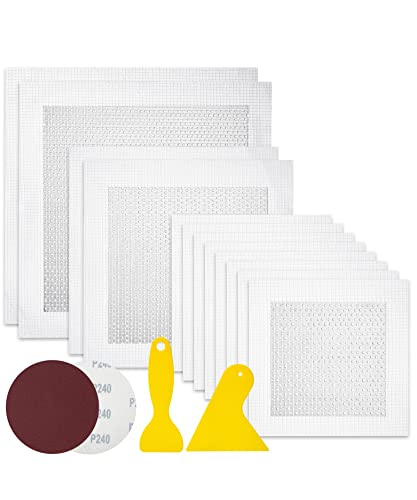
Bates- Drywall Repair Kit, 16 pcs, Aluminum Wall Repair Patch Kit
Check Price on AmazonUnclogging a Drain
Clogged drains are common but easy to tackle at home before calling a plumber. Begin by using a plunger to dislodge minor clogs; for tougher blockages, you can mix equal parts baking soda and vinegar, which can help break down buildup. After a few minutes, follow with hot water to flush it out. Alternatively, a plumbing snake can help with deeper clogs without harsh chemicals. Keeping your drains clean can save money and prevent future issues.

Green Gobbler Ultra Concentrated Drain Clog Remover & Cleaner | Powerful Hair, Grease & Soap Dissolver for Bathroom, Kitchen, Shower, Sink & Toilet | Safe for Pipes & Septic Systems
Check Price on AmazonBleeding a Radiator
If your radiator is not heating properly, it may need to be bled. Using a radiator key, slowly open the bleed valve at the top of the radiator to release trapped air; have a cloth ready to catch any water that might escape. Close the valve once water starts to dribble out. This process can enhance heating efficiency and lower energy costs. Regular maintenance prevents the build-up of air, ensuring your heating system runs smoothly.

BRBASAP 3 Packs Radiator Key with 1 Rings Bleeder Keys for Bleeding Old Home Radiator Air Valve Durable Handle Tool to Turn Off Water Valves Bleed Keys for Home Radiator Maintenance and Repairs
Check Price on AmazonReplacing Air Filters
Keeping your HVAC system efficient involves regularly changing air filters. Check your system’s filter every month and replace it every three months or when it looks dirty. Use affordable, high-efficiency filters as they help trap allergens and reduce energy costs. This simple task improves air quality and extends the life of your HVAC system, making your home more comfortable without significant expenditure.

Frigidaire PAULTRA2 Refrigerator Air Filter Replacement, White, 1 Count
Check Price on AmazonFixing a Running Toilet
A running toilet can waste water and increase your utility bill. Start by removing the tank lid and checking the flapper valve, which often fails to seal properly. Replace the flapper if it seems worn; adjusting the float arm might also help. Make sure the chain is not tangled, as that could prevent proper closure. This repair only requires inexpensive parts from a hardware store and can greatly reduce your water usage.

Korky Standard 2-Inch Platinum Complete Toilet Repair Kit - 4010MP
Check Price on AmazonCleaning Gutters
Regularly cleaning your gutters prevents water damage to your home. Use a sturdy ladder and gloves to remove leaves and debris, ensuring good drainage. Consider using a garden trowel for tough clogs. If you find yourself often cleaning, you might invest in mesh guards to keep larger debris out. This routine upkeep is budget-friendly and protects your home’s foundation and landscaping from water overflow.

Orbit Telescoping Gutter Cleaning Wand, Silver - 58543
Check Price on AmazonRegrouting Tile
Over time, bathroom tiles can lose their grout’s integrity, which can lead to mold and water damage. To regrout, scrape out the old grout with a grout saw and clean the area thoroughly. Mix new grout according to package instructions and use a grout float to apply it. Wipe away excess with a damp sponge and let it cure properly. This repair can significantly improve your bathroom’s appearance and prevent more costly repairs in the long run.
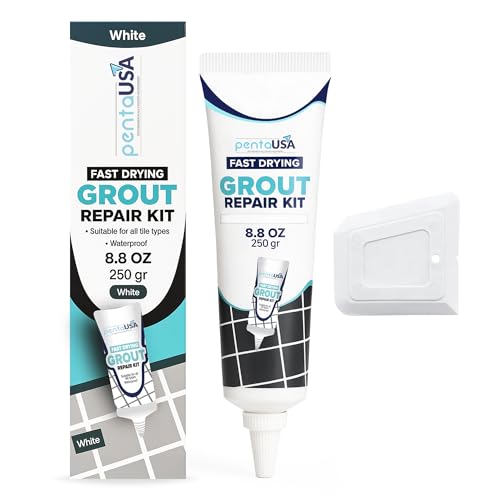
PentaUSA Premixed Tile Grout Repair - White (8.8oz/250g)
Check Price on AmazonInstalling a Ceiling Fan
Installing a ceiling fan can help regulate temperature and save on energy costs. Begin by turning off the power to the circuit you’ll be working on. Follow the instructions that come with the fan closely, connecting the wires carefully: black to black for the fan, white to white for neutral, and green to the ground. Secure the fan to the ceiling with screws provided. This installation can be done on a budget compared to running air conditioning, especially in warmer months.

Westinghouse 0110000 Saf-T-Brace Ceiling Fan Mounting Brace, Silver
Check Price on AmazonFixing Broken Cabinet Hinges
If your cabinet doors are sagging or not closing properly, the hinges might be loose or broken. First, tighten the screws on the hinges. If they’re stripped, use wood glue or toothpicks to fill the holes before reattaching. If the hinges are bent, replacing them with affordable new ones from a hardware store is an easy fix. This simple repair helps maintain functionality and appearance without needing a full cabinet replacement.

Cabinet Hinge Repair Plate Hinges Repair Fixing Plates Cabinet Repair Board
Check Price on AmazonSealing Drafty Windows
Drafty windows can cause energy loss and increase heating costs. Check for gaps in the window frame and apply caulk for a secure seal. For added insulation, consider using weatherstripping around the edges – it’s inexpensive and easy to install. In the colder months, window film can also reduce drafts further by providing a barrier against cold air. These methods can help keep your home comfortable while saving money on energy bills.

XFasten Transparent Window Weather Sealing Tape, 2-Inch x 30 Yards (50.8mm x 27.43m), Clear Window Draft Isolation Sealing Film Tape, No Residue
Check Price on AmazonReplacing Light Bulbs
Changing light bulbs is a basic repair that everyone should be able to do. First, turn off the power to the fixture for safety. Depending on the type of bulb, you might need to twist or pull it out. Replacing standard incandescent bulbs with energy-efficient CFL or LED options can significantly reduce your electricity bills. Always dispose of old bulbs properly, and consider using a step ladder if necessary to reach high fixtures safely.

Halogen Light Bulb Fits for GE Samsung Ken More Elite Maytag Over the Stove Range Microwave, Night Light/Stove Light Bulb for GE Microwave, Replaces WB25X10019, 2Pack
Check Price on AmazonCleaning the Refrigerator Coils
Cleaning refrigerator coils can improve efficiency and prolong the appliance’s life. Unplug the refrigerator and pull it away from the wall to access the coils, typically found on the back or beneath. Use a long brush or a vacuum cleaner with a brush attachment to remove dust and debris. Doing this every six months can help reduce energy consumption and prevent overheating. Regular maintenance like this keeps your fridge running smoothly without high costs.

4pcs Flexible Cleaning Brush Set for Dryer Vents, Fridge Coils, HVAC Systems & Tight Spaces – Multi-Use Lint and Dust Remover with Crevice Brush and Detailing Tools
Check Price on AmazonAdjusting a Sticky Door
Sticky doors are often caused by misalignment or swelling due to humidity. Start by checking the hinges; sometimes, simply tightening them can fix the issue. If that doesn’t work, use a planer to shave down the edge of the door slightly until it swings freely. Be gentle to avoid removing too much wood. This is a budget-friendly fix that can enhance the usability of your door without needing to replace it.