
15 Frugal Living Tips for Women to Take Control of Their Finances
We may earn a commission through all links on this website. As an Amazon Associate, we earn from qualifying purchases.
Living below your means is a crucial aspect of achieving financial freedom, but it’s not always easy. In today’s consumer-driven society, it’s tempting to splurge on the latest gadgets, trendy clothing, and luxurious experiences. However, the consequences of overspending can be dire, from accumulating debt to sacrificing long-term financial goals. The good news is that adopting a frugal lifestyle doesn’t have to mean sacrificing your quality of life.
With a few simple tweaks to your daily habits and mindset, you can start saving money, paying off debt, and building a safety net for the future. In this article, we’ll explore some practical frugal living tips that will help you make the most of your hard-earned cash and achieve the financial stability you’ve always dreamed of.

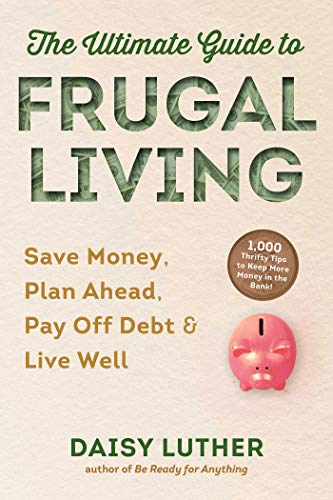
The Ultimate Guide to Frugal Living: Save Money, Plan Ahead, Pay Off Debt & Live Well
Check Price on AmazonCreate a Budget and Stick to It
Crafting a detailed budget is the cornerstone of financial control. Track your income and expenses to understand where your money goes, allocating funds for essentials, savings, and discretionary spending. Use apps like YNAB or Mint to monitor your progress and make adjustments as needed to stay on track.
Embrace Meal Planning
Meal planning saves both time and money by reducing food waste and impulsive dining out. Plan weekly menus, shop with a grocery list, and prep meals in advance. Buying in bulk and cooking at home can significantly cut costs while ensuring healthier eating habits.
Shop Secondhand
Thrift stores, consignment shops, and online platforms like Poshmark or ThredUp offer stylish clothing and accessories at a fraction of retail prices. Embracing secondhand shopping not only saves money but also promotes sustainable fashion choices.
Cut Subscription Costs
Review your subscriptions—streaming services, magazines, or gym memberships—and cancel those you rarely use. Consider sharing plans with family or friends or opting for free alternatives, like library services or ad-supported platforms, to reduce monthly expenses.
DIY Beauty and Personal Care
Instead of frequent salon visits, learn to do your own manicures, haircuts, or skincare routines. YouTube tutorials and affordable products from drugstores can help you maintain your style while saving hundreds annually.
Prioritize Debt Repayment
Tackle high-interest debt, like credit card balances, using strategies like the snowball or avalanche method. Paying more than the minimum and avoiding new debt frees up money for savings and investments, giving you greater financial freedom.
Use Cash-Back and Rewards Programs
Maximize savings by using cash-back credit cards or apps like Rakuten and Ibotta for everyday purchases. Redeem rewards strategically for gift cards, travel, or statement credits to stretch your budget further without extra effort.
Negotiate Bills
Try to lower your monthly bills. Call service providers like internet, phone, or insurance companies to negotiate lower rates or switch to cheaper plans. Loyalty discounts or competitor offers can often lead to significant savings with just a quick conversation.
Limit Impulse Purchases
Adopt a 24-hour rule for non-essential purchases to avoid impulse buying. Create a wishlist and revisit it later to decide if the item is truly necessary, helping you avoid clutter and keep your finances in check.
Invest in Quality Staples
Spend on high-quality, versatile wardrobe pieces or durable household items that last longer, reducing replacement costs. Classic items like a tailored blazer or sturdy cookware offer better value over time than trendy, low-quality alternatives.
Leverage Free Community Resources
Take advantage of free community offerings, such as library books, local events, or fitness classes in parks. These resources provide entertainment, education, and wellness opportunities without straining your budget.
Build an Emergency Fund
Set aside small, regular amounts to create an emergency fund covering 3-6 months of expenses. This safety net prevents reliance on credit cards during unexpected events, offering peace of mind and financial stability.
Learn Basic Repairs
Master simple home or clothing repairs, like sewing a button or fixing a leaky faucet, to avoid costly professional services. Online tutorials and basic toolkits empower you to handle minor issues yourself, saving money over time.
Plan Affordable Social Activities
Host potlucks, game nights, or outdoor gatherings instead of expensive outings with friends. Suggesting low-cost or free activities, like hiking or movie nights at home, maintains your social life without breaking the bank.
Set Financial Goals
Define clear, achievable financial goals, such as saving for a home, retirement, or travel. Break them into manageable steps and track progress regularly to stay motivated and focused on building long-term wealth.