
15 Frugal Habits Every Woman Needs to Know for a Brighter Financial Future
We may earn a commission through all links on this website. As an Amazon Associate, we earn from qualifying purchases.
Living below your means is a crucial aspect of achieving financial stability and security, but it’s not always easy to adopt a frugal mindset. In today’s consumer-driven society, it’s tempting to overspend and indulge in luxuries, rather than prioritizing saving and investing. However, developing good frugal habits can have a significant impact on your financial well-being, allowing you to build wealth, pay off debt, and achieve your long-term goals. By adopting a few simple and sustainable habits, you can break free from the cycle of overspending and start building a brighter financial future.

Meal Planning
Meal planning involves preparing a detailed menu for the week ahead. By planning your meals, you can create a precise grocery list, ensuring you only buy what you need. This adaptation minimizes impulse purchases that lead to food waste. Look for seasonal produce and on-sale items to make your meals more affordable. Additionally, batch cooking can save time and money, allowing you to repurpose leftovers creatively.

Decorably 52 Sheets Pastel Rainbow Undated Magnetic Weekly Meal Planner | 8.5x11in Grocery List Notepad Meal Planner with 4 Strong Magnets - Spring-Bound, Refrigerator Mountable, Easy Tear-Off Design
Check Price on AmazonCouponing
Using coupons strategically can significantly cut costs. Start by subscribing to the local newspaper or using coupon apps that aggregate deals. Pair coupons with sales for double savings on essential items. Organize your coupons in a binder or digital app to keep track of what you have and when they expire. Joining coupon-clipping groups or online communities can also help you find high-value offers easily.
DIY Home Repairs
Learning to do basic home repairs can save you a significant amount on labor costs. Online video tutorials provide step-by-step guidance on tasks like fixing leaky faucets, painting walls, or replacing light fixtures. Invest in a basic toolkit and gradually build your skills. For more complex repairs, seek advice from friends or family who are handy. This not only saves money but also gives you a sense of accomplishment.
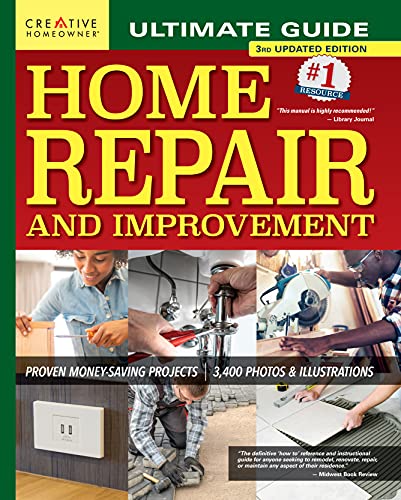
Ultimate Guide to Home Repair and Improvement, 3rd Updated Edition: Proven Money-Saving Projects, 3,400 Photos & Illustrations (Creative Homeowner) Step-by-Step DIY for Plumbing, Electrical, Carpentry
Check Price on AmazonThrift Shopping
Thrifting is an excellent way to find unique clothing and household items at a fraction of the retail price. Visit local thrift stores, garage sales, and flea markets regularly to hunt for treasures. Many times, quality brands are available for just a few dollars. Be patient and willing to spend time sifting through items. You can also resell what you no longer need for extra cash.
Public Transportation
Using public transportation is often more economical than driving or owning a vehicle. Investigate local bus or train services, and consider purchasing a monthly pass for greater savings. Walking or biking for shorter distances also contributes to savings while promoting a healthier lifestyle. Keep an eye out for discounts on fares for seniors or students. Combine trips to reduce travel costs further.

WEIZE 26 Inch Adult Mountain Bike, 18-Speed, Dual Suspension, White | Fits Riders 5'2"-6'2", High-Carbon Steel Frame, Front & Rear V-Brakes, Adjustable Seat, 85% Pre-Assembled
Check Price on AmazonEnergy Efficiency
Improving your home’s energy efficiency can lead to significant savings on utility bills. Simple measures like sealing drafts, using energy-efficient light bulbs, and unplugging devices when not in use can make a difference. Consider using smart power strips to prevent phantom energy use. Also, conduct a home energy audit to identify areas of improvement. Investing in insulation can pay off in reduced heating costs over time.
Recycling and Upcycling
Instead of throwing away items, explore ways to recycle or upcycle them into something new. For example, old glass jars can be transformed into stylish storage containers. Search online for creative projects that repurpose household items. Not only does this save money, but it also helps reduce waste. Participate in community exchanges or swap meets to refresh your home’s decor without spending money.
Gardening
Starting a small vegetable or herb garden can significantly reduce your grocery bill. Even if you only have a balcony, using pots can help you grow fresh herbs like basil and cilantro at little cost. High-yield crops such as tomatoes or peppers can provide ample produce to enjoy in meals. Research local gardening groups for tips and seed exchanges. This hobby also provides a healthy outdoor activity while supplying fresh ingredients.

Heavy Duty Gardening Tools - Gardening Gifts for Women, Men, Mom, Dad - Durable, Ergonomic Garden Tools Set (Green)
Check Price on AmazonLibrary Visits
Libraries offer a wealth of resources beyond just books, including movies, classes, and free internet access. Utilizing your local library can save money on entertainment and education. Many libraries also provide free access to online learning platforms and workshops. Consider attending free events or book clubs for social interaction. Lastly, libraries often have interlibrary loan systems, allowing access to even more materials.
Avoiding Impulse Buys
Cutting down on impulse purchases can substantially benefit your wallet. Before buying, practice the 30-day rule: wait 30 days before making non-essential purchases. This helps you assess whether you truly need the item. Keeping a budget and tracking expenses can also illuminate where money goes monthly. Consider creating a wish list instead and revisiting it periodically to evaluate your needs.
Buy in Bulk
Purchasing items in bulk can lead to considerable savings, especially for non-perishable items. Find wholesale stores like Costco or club memberships that offer good bulk deals. Stock up on essentials like grains, canned goods, or cleaning supplies. Be selective about what you really need in bulk to avoid waste. Make sure to store bulk items to prolong their shelf life properly.

AIDEA Heavy Duty Sponges Kitchen 50PK, Dish Sponge Kitchen, Scrub Sponges | Sponges for Dishes Stink-Free Cleaning, Reusable Cleaning Dish Scrubber Sponges for Home & Restaurant, Bathroom, Sponges Bulk
Check Price on AmazonFree Online Learning
Taking advantage of free online courses can help you develop new skills without the financial burden. Platforms like Coursera, edX, and Khan Academy provide access to high-quality educational resources. You can enhance your career prospects or learn a new hobby at no cost. This self-education can lead to promotion opportunities or side gigs that increase your income. Make a plan to study consistently to maximize the benefits.
Shop Generic Brands
Opting for generic or store-brand products can yield savings without sacrificing quality. Many generic items are made in the same facilities as name-brand products but are priced much lower. Always compare labels for ingredients and nutritional information to ensure you’re making a wise choice. Try out different stores to discover which ones have the best generic options for your needs. This simple switch can significantly impact your grocery budget.
Staycation Planning
Instead of spending a fortune on a vacation, consider planning a staycation! Explore your local area and participate in free or low-cost activities, such as hiking, local museums, and attending community events. This not only saves on travel expenses but helps you appreciate the hidden gems near you. Make a list of attractions you’ve yet to visit and dedicate time to discover them. Staycations can feel refreshing without breaking the bank.

Utopia Towels Beach Towels, 4 Pack, 30x60 in, Bath Towels Cotton, Variety | Oversized Lightweight 100% Ring Spun Cotton Bath Towels for Pool,Bathroom & Swim Days - Soft, Quick-Drying
Check Price on AmazonFrugal Entertainment
Finding budget-friendly entertainment options can keep costs low. Attend local community events, where many offer free admission or donation-based entry. Explore parks, trails, and beaches that provide natural beauty at no cost. Hosting game nights with friends at home can be more enjoyable and cheaper than nights out. Use platforms like Meetup to find free or inexpensive group activities.

Sunny Days Entertainment Maxx Bubbles 4oz Bubble Wands – 6 Pack Bubble Wand Toy | Summer Fun, Outdoor Birthday Party Favors for Kids, 101799 Blue
Check Price on Amazon