How to Save Money on Your Electric Bill: A Simple Guide to Lowering Utility Costs
We may earn a commission through all links on this website. As an Amazon Associate, we earn from qualifying purchases.
As we go about our daily lives, it’s easy to overlook the seemingly small expenses that can add up to big bucks over time. But one of the most significant and often overlooked expenses is our monthly electric bill. Whether you’re a renter or a homeowner, the cost of powering your lights, appliances, and electronics can quickly become a major financial burden. The good news is that there are many simple and effective ways to reduce your electric bill, from swapping out incandescent bulbs for LEDs to adjusting your thermostat and using power strips to cut down on standby power consumption.
In this article, we’ll explore some of the most effective strategies for saving money on your electric bill and share some surprising tips to help you cut your costs and keep more cash in your pocket.

Understanding Your Electric Bill: A Breakdown of Charges
Understanding your electric bill is a crucial first step in identifying ways to save money on your monthly expenses. Electric bills may seem complicated at first glance, but familiarizing yourself with the different components can empower you to make informed decisions about your energy usage.
Typically, an electric bill consists of several key charges. The base charge is a fixed fee that covers the costs of maintaining the electrical infrastructure, regardless of your usage. Following this, there is the energy charge, which reflects the amount of electricity you consumed during the billing period, measured in kilowatt-hours (kWh). This charge can vary based on your usage patterns, so being aware of peak times can help reduce unnecessary costs.
Additionally, many utility companies include a fuel adjustment charge that accounts for changes in the cost of fuel used to generate electricity, which can fluctuate with market trends. Taxes and other regulatory fees also contribute to your total bill.
By scrutinizing these charges, you can better understand where your money is going and identify areas for improvement, such as reducing energy waste or shifting usage to off-peak times, ultimately leading to more manageable and lower electric bills.
Tips for Reducing Energy Consumption at Home
Reducing energy consumption at home is a practical approach to saving money on your electric bill, and it involves making a few simple adjustments to your daily habits and home environment. Start by upgrading to energy-efficient appliances, which use significantly less electricity than older models. Look for products with the ENERGY STAR label when making replacements.
Additionally, be mindful of your lighting; switch to LED bulbs that consume up to 75% less energy than traditional incandescent bulbs and have a longer lifespan. Implementing smart home technology can also help; programmable thermostats allow you to set temperatures based on your schedule, reducing heating and cooling costs when you’re not home.
Insulating your home better can prevent energy loss; check for drafts around windows and doors, and seal any leaks with weather stripping or caulking. Embracing natural light during the day can minimize the need for artificial lighting, and turning off lights and unplugging devices when not in use can further reduce consumption.
Lastly, consider adopting energy-saving habits such as washing clothes in cold water, running dishwashers and washing machines only with full loads, and air drying clothes whenever possible.
By implementing these strategies, you can effectively decrease your energy usage, leading to noticeable savings on your electric bill while also contributing to a more sustainable environment.
Energy-Efficient Appliances: Choosing the Right Products
When it comes to reducing your electric bill and improving your overall financial health, investing in energy-efficient appliances is a crucial step. These products are designed to consume less energy while still delivering high performance, which translates into lower utility costs over time. When choosing appliances, look for those labeled with the ENERGY STAR certification, as they meet strict energy efficiency guidelines set by the U.S. Environmental Protection Agency.
Although energy-efficient appliances may come with a higher upfront cost, their reduced electricity usage can lead to significant savings in the long run. Additionally, consider the life expectancy and warranty of each appliance; those that have longer lifespans may offer better value despite their initial price.
It’s also wise to assess the specific needs of your household when selecting appliances; for instance, opting for a refrigerator with adequate capacity can prevent energy waste caused by overloading or underutilizing the unit.
By prioritizing energy efficiency in your appliance purchases, not only will you contribute to a greener environment, but you’ll also be making a smart financial decision that helps you save money on your electric bill each month.
Implementing Smart Home Technology to Save Energy
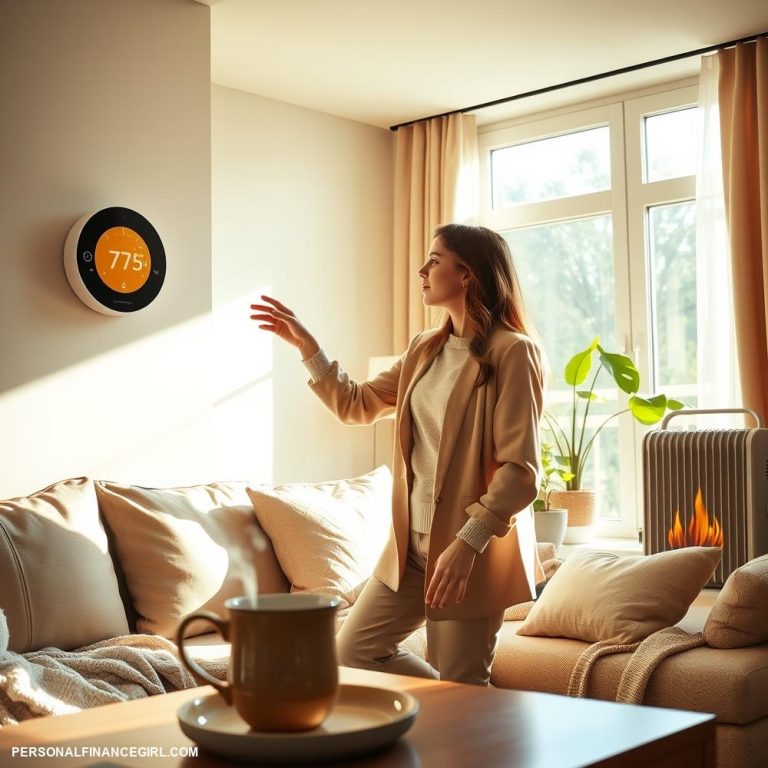
Implementing smart home technology is an effective strategy to save energy and, consequently, reduce your electric bill. Smart devices, such as smart thermostats, lighting systems, and energy monitoring tools, allow for more precise control over household energy consumption. For instance, a smart thermostat can learn your heating and cooling preferences and adjust the temperature accordingly, optimizing energy use while maintaining comfort.
Similarly, smart lighting systems can be programmed to turn off automatically when no one is home or dim the lights based on natural sunlight, minimizing unnecessary electricity usage. Additionally, energy monitoring devices can provide real-time insights into your energy consumption patterns, helping you identify areas where you can cut back.
By integrating these technologies, homeowners can establish routines that automatically conserve energy, such as scheduling devices to operate during off-peak hours or utilizing energy-efficient modes. Not only does this lead to a lower electric bill, but it also contributes to a more sustainable lifestyle, making it a win-win for both your finances and the environment.
Seasonal Energy-Saving Strategies: Summer and Winter Tips
Seasonal energy-saving strategies play a crucial role in reducing your electric bill throughout the year, particularly during the extreme temperatures of summer and winter. In the summer months, implementing measures such as using energy-efficient air conditioning units and ceiling fans can significantly lessen the reliance on central cooling systems. It’s also beneficial to keep curtains or blinds closed during the hottest parts of the day to block out heat and to utilize natural ventilation during cooler evenings.
Additionally, programming your thermostat to align with your schedule ensures that you’re not cooling an empty house. In winter, the opposite approach is required; insulating your home effectively can reduce heat loss, making it easier to maintain a comfortable temperature. Sealing gaps around doors and windows, as well as utilizing heavy curtains, can help keep warmth inside.
Moreover, keeping your thermostat a few degrees lower and layering with warm clothing can lead to substantial savings on heating costs. By adopting these seasonal strategies, you position yourself to enjoy a more comfortable living environment while also achieving significant savings on your energy bills.
Understanding Time-of-Use Rates and How to Benefit
Understanding time-of-use (TOU) rates is essential for consumers looking to save money on their electric bills. TOU pricing structures vary electricity rates depending on the time of day, incentivizing users to shift their usage to off-peak hours when the demand for electricity is lower. Typically, electricity is more expensive during peak hours—often when many households are active—and cheaper during off-peak times, which can occur late at night or throughout the early afternoon.
To benefit from TOU rates, consumers should first analyze their energy consumption patterns. By identifying when they use the most electricity, individuals can make informed decisions about when to run high-energy appliances such as dishwashers, washing machines, and air conditioning. Additionally, implementing smart home technology can assist in automatically scheduling devices to operate during peak savings hours. For those who can adjust their habits, using heavy appliances during off-peak hours can lead to significant savings over time.
Furthermore, educating oneself about the specific TOU rates offered by their utility company is crucial, as these variations can provide insight into potential savings and encourage more efficient energy use overall. By taking the time to understand and adapt to TOU pricing, consumers can effectively reduce their electricity costs and contribute to a more sustainable energy grid.
Additional Resources: Utility Programs and Rebates for Saving
In addition to implementing energy-saving practices in your home, exploring utility programs and rebates can significantly contribute to lowering your electric bill. Many utility companies offer various incentive programs designed to encourage energy efficiency among their customers. These programs often include rebates for purchasing energy-efficient appliances, such as refrigerators, washers, and HVAC systems, which can offset the initial investment costs. Additionally, some utilities provide free or subsidized energy audits, allowing homeowners to identify and rectify inefficiencies in their energy use.
Participating in demand response programs can also lead to savings, as these initiatives offer financial incentives for reducing energy consumption during peak demand periods. Furthermore, governmental agencies and environmental organizations frequently collaborate with utility companies to promote energy efficiency through grants, tax credits, and other financial assistance programs.
By taking advantage of these resources, you not only contribute to a more sustainable environment but also enjoy the financial benefits of reduced energy costs over time.