How to Save Money on Home Heating: Smart Strategies for Savvy Women
We may earn a commission through all links on this website. As an Amazon Associate, we earn from qualifying purchases.
As the temperatures drop and the winter chill sets in, many of us are left scrambling to find ways to keep our homes warm and cozy without breaking the bank. But the truth is, high heating bills can quickly drain even the most modest of budgets, leaving us feeling like we’re stuck in a never-ending cycle of financial stress. And yet, it doesn’t have to be this way.
By implementing a few simple strategies and making a few smart changes around the house, it’s entirely possible to save money on home heating without sacrificing comfort or warmth. In this article, we’ll explore some of the most effective ways to keep your heating costs in check, from DIY home improvements to clever energy-saving hacks.
Understanding Your Heating System: Types and Efficiencies
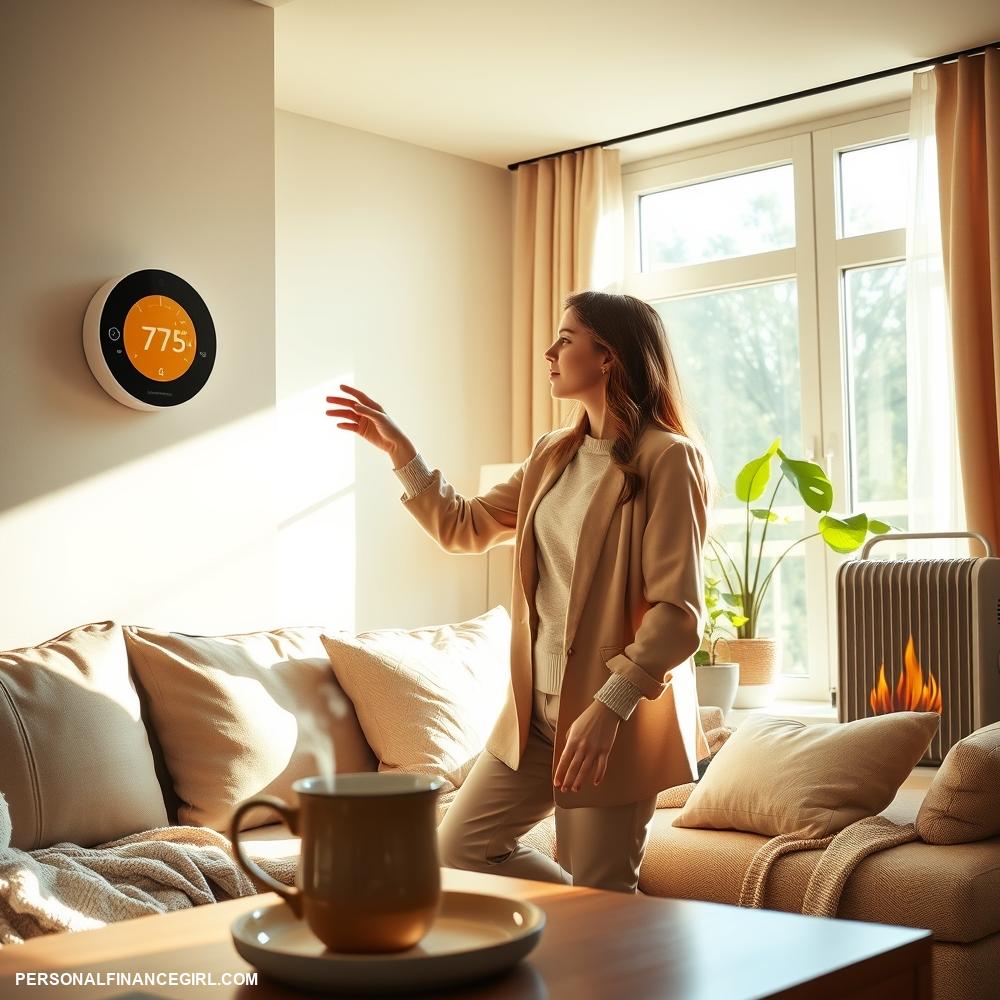
Understanding your heating system is crucial for maximizing efficiency and minimizing energy costs in your home. There are several types of heating systems, each with varying degrees of efficiency. Common options include forced air systems, which blow heated air through ducts, and radiant heating systems that warm the floors or walls. Boilers, which use water or steam to distribute heat, and heat pumps that transfer heat from outside to inside, are also popular choices.

DREO Space Heater, Portable Electric Heaters for Indoor Use with Thermostat
Check Price on AmazonWhen selecting a heating system, consider its annual fuel utilization efficiency (AFUE), which measures how well the system converts energy into heat over a year. Systems with a higher AFUE rating are generally more efficient and can lead to substantial savings over time, particularly in colder climates where heating needs are higher.
Regular maintenance, including cleaning and inspections, can help ensure your system operates at peak efficiency. Additionally, programmable thermostats can enhance energy savings by allowing you to set heating schedules that match your lifestyle.
Conducting a Home Energy Audit: Identifying Areas for Improvement
Conducting a home energy audit is an essential step in identifying areas for improvement when it comes to saving money on home heating. This process involves a thorough examination of your home to assess its energy efficiency and pinpoint specific areas where heat loss occurs.
Many homeowners can undertake a simple self-audit by checking for drafts around windows and doors, inspecting insulation levels in attics and basements, and reviewing the performance of heating systems. More comprehensive audits can be performed by professionals who utilize specialized equipment, such as blower doors and thermal imaging cameras, to detect leaks and inefficiencies that might go unnoticed by the naked eye.
By identifying these problem areas, homeowners can prioritize their energy-saving upgrades, such as sealing leaks, adding insulation, or upgrading to more efficient heating systems. These improvements not only enhance comfort and reduce energy bills but can also add value to your home.
Ultimately, a home energy audit serves as a vital tool in the quest for a more financially efficient household, paving the way for informed decisions that can lead to substantial long-term savings.
Insulation and Sealing: Keeping the Heat In
One of the most effective ways to save on home heating costs is through proper insulation and sealing, which work together to keep the warmth inside your home during the colder months. Insulation acts as a barrier to heat transfer, preventing warm air from escaping and cold air from entering.
Common areas in a house that benefit significantly from insulation include attics, walls, floors, and basements. Upgrading or adding insulation in these locations can lead to substantial savings on your heating bills. Additionally, sealing gaps and cracks around windows, doors, and other openings with caulk or weather stripping is essential to minimize drafts and improve overall energy efficiency.

Ormein Door Draft Stopper, Adjustable Weather Stripping Seal for Cold Insulation, Bottom/Under Sweep for Exterior & Interior Doors, Seal Blocker Noise, Black, 39 inches
Check Price on AmazonThese simple yet impactful measures not only enhance comfort by maintaining a consistent indoor temperature but also reduce the workload on your heating system, ultimately extending its lifespan and lowering repair costs over time.
By investing in insulation and sealing, homeowners can enjoy the dual benefits of increased energy efficiency and significant savings, making it a smart financial choice for anyone looking to cut down on heating expenses.
Smart Thermostats: How Technology Can Save You Money
Smart thermostats represent a significant advancement in home heating technology, offering homeowners a way to optimize their heating systems and save money on energy bills. Unlike traditional thermostats, smart thermostats learn from your habits and adjust the temperature accordingly, ensuring that your home is heated only when necessary.
This intelligent programming means that you can avoid heating an empty house during the day or while you’re away on vacation, significantly reducing energy waste. Many models integrate with smartphone apps, allowing you to monitor and control your heating remotely.
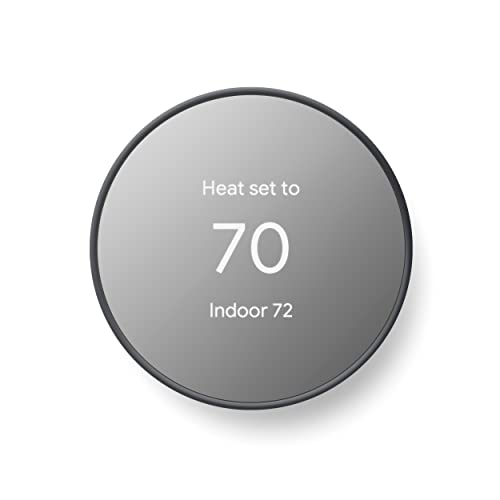
Google Nest Thermostat - Smart Thermostat for Home - Programmable Wifi Thermostat - Charcoal
Check Price on AmazonThis feature is particularly beneficial for homeowners with unpredictable schedules or those who frequently travel. Additionally, some smart thermostats can provide valuable insights into your heating usage patterns, helping you make informed decisions about energy consumption.
Over time, the savings from reduced energy use can significantly offset the initial investment in a smart thermostat, making it not just a tech upgrade, but a practical financial decision as well. With potential energy rebates available for purchasing energy-efficient models, smart thermostats can further enhance your financial strategy for saving money on home heating.
Routine Maintenance: The Importance of Keeping Your Heating System in Check
Routine maintenance of your heating system is a crucial aspect of managing home energy costs and ensuring optimal performance. Regular check-ups, which include tasks such as cleaning filters, checking for leaks, and inspecting the overall functionality of the system, can significantly enhance efficiency and longevity. Neglecting these maintenance tasks often leads to a decline in performance, resulting in higher energy bills as the system works harder to produce heat.
Moreover, an inefficient heating system is more prone to breakdowns, which can lead to costly repairs or even the need for a full replacement. By scheduling annual maintenance with a qualified technician, homeowners can identify potential issues early, ensuring that their heating system runs smoothly and efficiently throughout the colder months.
This proactive approach not only saves money in the long run but also contributes to a more comfortable living environment. Ultimately, investing time and resources in routine maintenance fosters energy efficiency, minimizes repair costs, and supports financial stability as part of your broader strategy to save money on home heating.
Utilizing Alternative Heating Sources: Pros and Cons
Utilizing alternative heating sources can offer several advantages as well as potential drawbacks for homeowners looking to save money on heating costs. Among the most notable benefits is the potential for significant cost savings, especially in areas where conventional heating fuels are expensive or subject to volatility in prices.
Alternative sources such as solar panels, wood stoves, and geothermal systems often provide a more sustainable and economical long-term solution. Additionally, many alternative heating methods can lead to reduced carbon footprints, contributing to environmental sustainability and energy independence. However, there are also challenges to consider.
Initial installation costs for systems like solar panels or geothermal heating can be high, and the return on investment may take several years to materialize. Furthermore, some alternative heating solutions may require specific maintenance or depend on local availability of resources, such as wood or sunlight.
You must also ensure compliance with local regulations and safety standards, which can add complexity to the transition. Ultimately, while alternative heating sources can be a viable option for cutting heating expenses, careful consideration of both their benefits and limitations is essential for effective financial planning.
Government Programs and Incentives: Financial Assistance for Energy Efficiency
Government programs and incentives for financial assistance in energy efficiency can significantly alleviate the burden of home heating costs. Many local, state, and federal programs offer rebates, tax credits, and grants to homeowners who invest in energy-efficient upgrades such as insulation, high-efficiency heating systems, and smart thermostats.
For instance, the Federal Energy Management Program often provides financial assistance for energy audits and the installation of energy-saving technologies, which can lead to reduced utility bills and enhanced comfort in your home.
Additionally, many utility companies have their own incentive programs that provide cash rebates for energy-efficient appliances and home improvements. You should research available programs in their area, as eligibility criteria and benefits can vary widely.
By leveraging these incentives, homeowners not only improve their energy efficiency and reduce heating costs but also contribute to a more sustainable environment. Taking advantage of such financial assistance can turn energy-saving upgrades into more affordable investments, ultimately leading to long-term savings and enhanced financial well-being.